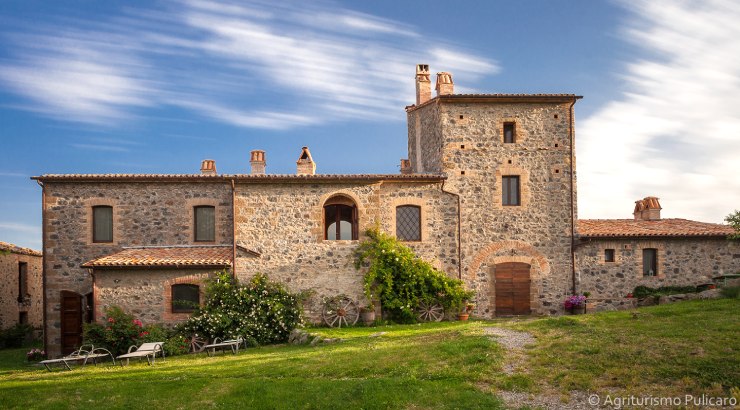
Welcome to Agriturismo Pulicaro | Regenerative Farm

-
-
CIN: IT056001B5JECE7QKX

CIN: IT056001B5JECE7QKX
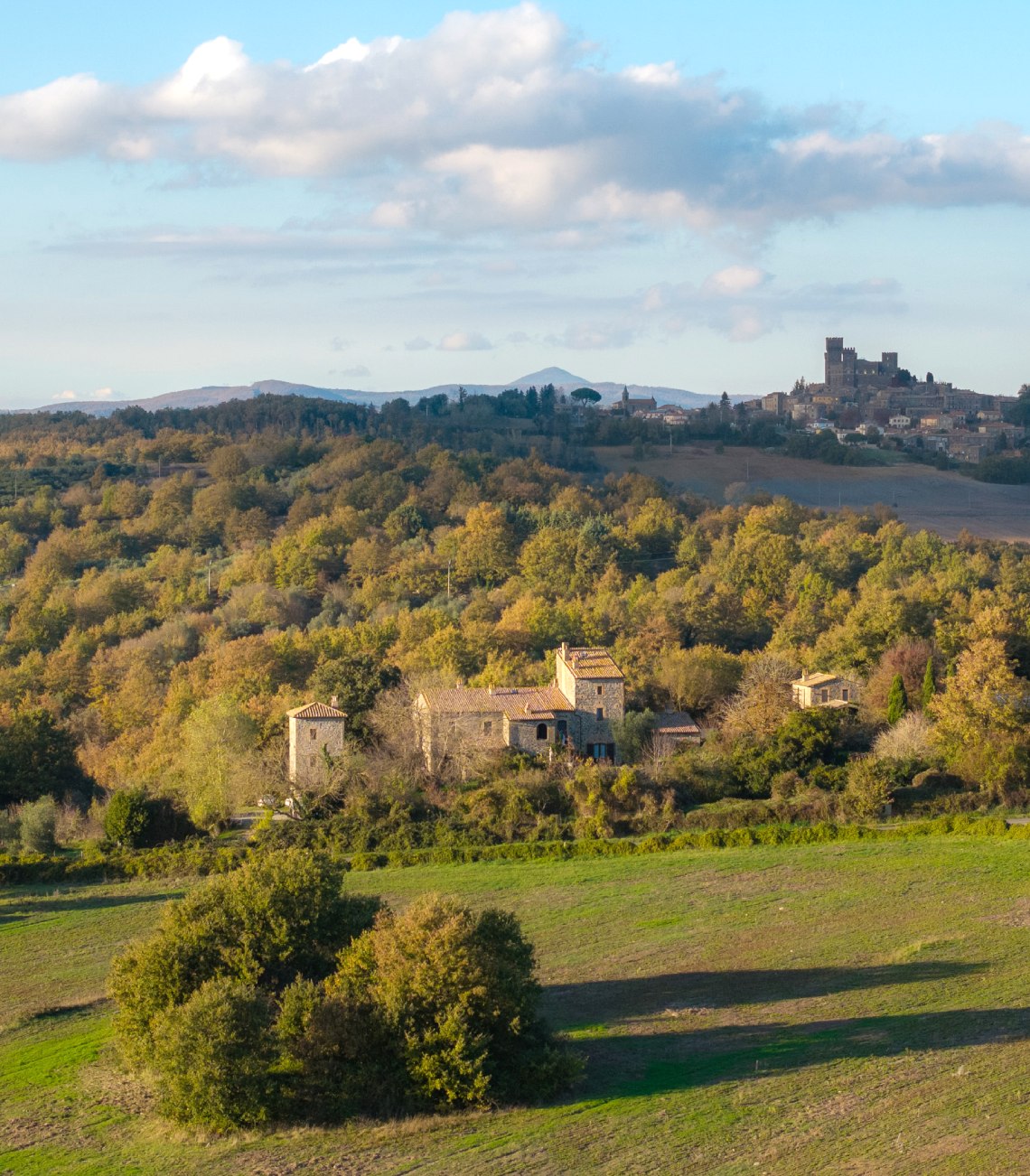

Pulicaro was founded in 2004 as the life project of Marco and Chiara, who, in their early twenties, chose to restore an abandoned farm that had been left untouched for over 25 years, with depleted and severely eroded land. They dedicated all their energy to restoring the ecosystem, revitalizing the soil and water cycles, and helping plants flourish — the very foundation of life and food on this planet.
Today, Pulicaro is a leading example of regenerative agriculture, among the first Slow Food Farms in Italy, and an active contributor to the transformation of agricultural systems across Europe. Marco and Chiara are also among the founders of EARA – European Alliance for Regenerative Agriculture, a European alliance that promotes agriculture that regenerates ecosystems, strengthens rural communities, and builds more sustainable food systems.
120 ha on the volcanic Alfina plateau
Regenerative rotational grazing
Founding member of EARA
Slow Food Farm
Animals genuinely raised outdoors, free to move around the pastures and supplement their diet with wild plants and insects. Barns and chicken houses are always open.
Our farm produces meat, fruit, vegetables, and extra virgin olive oil, which are used in our farm restaurant kitchen and available for direct purchase.
Specialists in breeding the Maremma-Abruzzese Sheepdog, used as an ecological and sustainable deterrent against predation in protected areas.


At Pulicaro, our animals live outdoors on pasture and woodland, roaming freely and grazing on natural vegetation and insects. This model promotes animal welfare, biodiversity in the ecosystem, and soil fertility. Through grazing, livestock help regenerate the soil, improve its ability to retain water, and increase the farm's resilience to climate change. This approach also promotes carbon sequestration in the soil, helping to reduce the amount of CO₂ in the atmosphere.
Animals contribute to soil regeneration, biodiversity, and improved water retention.
120 hectares, including 40 hectares of woodland, 70 Grey Alpine and Brown Swiss cows, a few thousand chickens, 200 black pigs, 500 turkeys, 100 sheep, 50 goats, and… a few donkeys!
Contact us for information about our products, to book a guided farm visit or to try our Farm Restaurant.